
Common Problems Found When Evaluating Pipes and Fixtures
A thorough check of your plumbing system is important. It helps spot issues that might cause bigger problems later. Many homeowners underestimate the need for regular checks until an emergency occurs. In this overview, I will explore some of the typical challenges inspectors discover during these evaluations, offering insight into how addressing these concerns early can save you from costly repairs down the line.
Importance of Early Detection
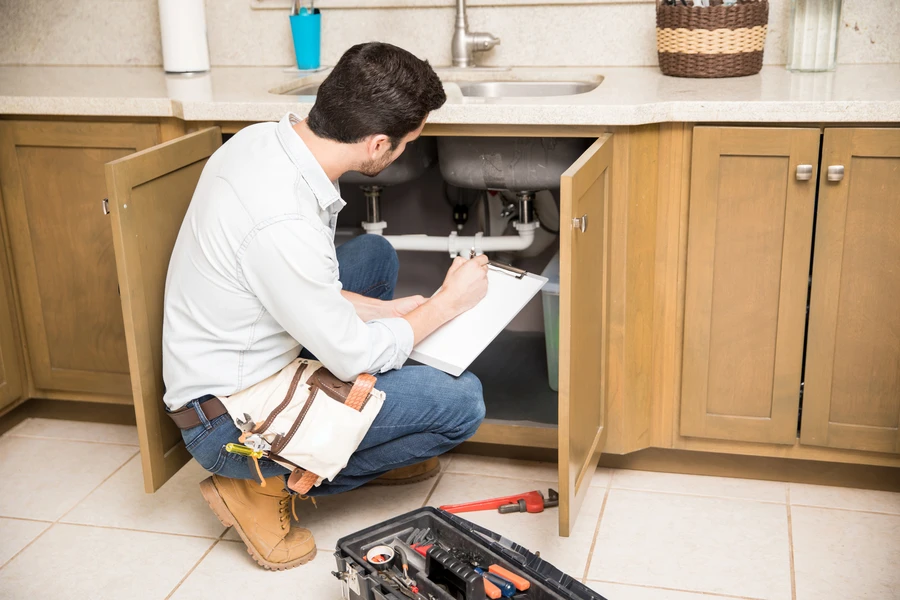
Finding issues early in your home’s water systems can prevent serious damage. A plumbing inspection often reveals hidden leaks or corrosion. If left unchecked, these can lead to water damage or mold growth. Regular inspections ensure everything functions properly and extend the life of your pipes and fixtures by catching small issues before they become big problems.
Frequent Leak Sources
Leaks are common findings during a plumbing inspection. They are often found around fittings, joints, and seals. Even tiny drips can add up to significant water loss over time. Addressing them promptly not only saves water but also prevents structural damage caused by prolonged moisture exposure.
Identifying Corrosion and Rust
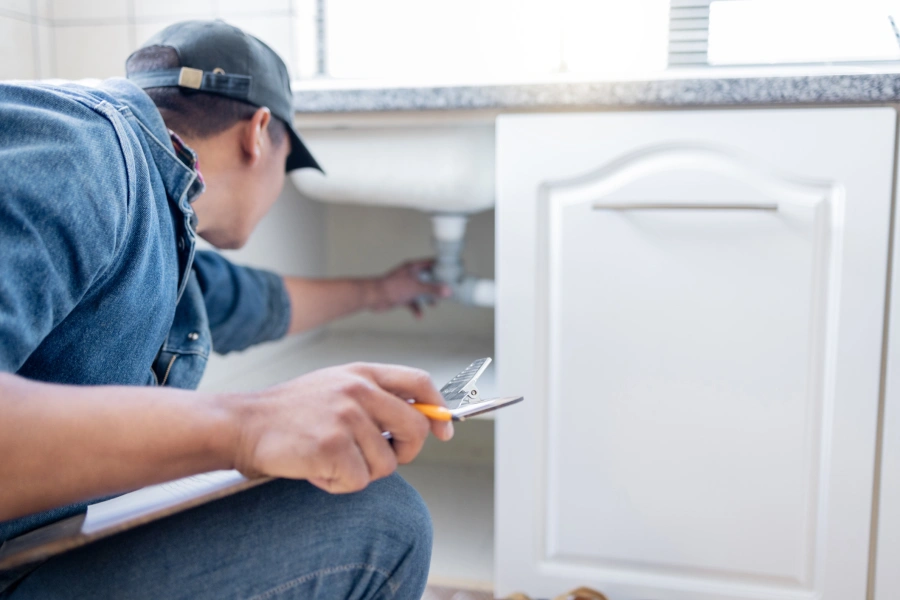
Corroded pipes are another issue frequently found during a plumbing inspection. Over time, pipes can wear down, leading to rust build-up. This affects water quality and flow efficiency. Inspectors look for signs such as discolored water or any visible rust on exposed piping to address these issues.
Poor Water Pressure Problems
Low water pressure is more than just an annoyance-it can indicate underlying problems with your plumbing system. Often, it stems from blockages or pipe narrowing due to mineral deposits. During an inspection, professionals measure pressure levels to ensure they meet expected standards and identify areas needing attention.
Sewer Line Blockages
Sewer line blockages present severe risks if not addressed promptly. These blockages are usually caused by debris buildup or invasive tree roots. Inspections use cameras to check deep within sewer lines for obstructions that could cause backups, ensuring smooth operation and avoiding unpleasant overflow incidents.
The Significance of Well-Maintained Valves
Valves control water flow throughout your home. An inspection checks these for proper function. Faulty valves can lead to inefficient water usage and potential flooding. Ensuring they’re in good working order helps protect against leaks and maintains optimal operation of your plumbing system.
- Check all accessible pipes for leaks or signs of damage.
- Inspect water heater for efficiency and safety issues.
- Test water pressure at multiple points in your home.
- Use specialized cameras to examine sewer lines thoroughly.
- Verify valve operations to maintain control over water supply effectively.
Taking Action With Preventive Measures
You should consider adopting preventive measures after identifying issues during inspections. Simple actions like insulating pipes can prevent freezing in cold weather. Moreover, installing water softeners can reduce mineral deposits in hard water areas, prolonging the lifespan of your pipes.
Professional Assistance Is Essential
While some maintenance tasks may seem doable yourself, many require professional expertise. Hiring a licensed plumber ensures accurate diagnosis and repairs done right the first time. Their experience allows them to provide tailored solutions fitting your specific needs.
Your Next Steps for Plumbing Safety
I am here to assist you with maintaining a reliable plumbing system in San Bernardino, CA. By calling (909) 964-1824, you can schedule a detailed inspection that addresses all potential problem areas efficiently. Trust Blue Anchor Plumbing Corporation to offer professional guidance and keep your home’s plumbing in peak condition year-round.